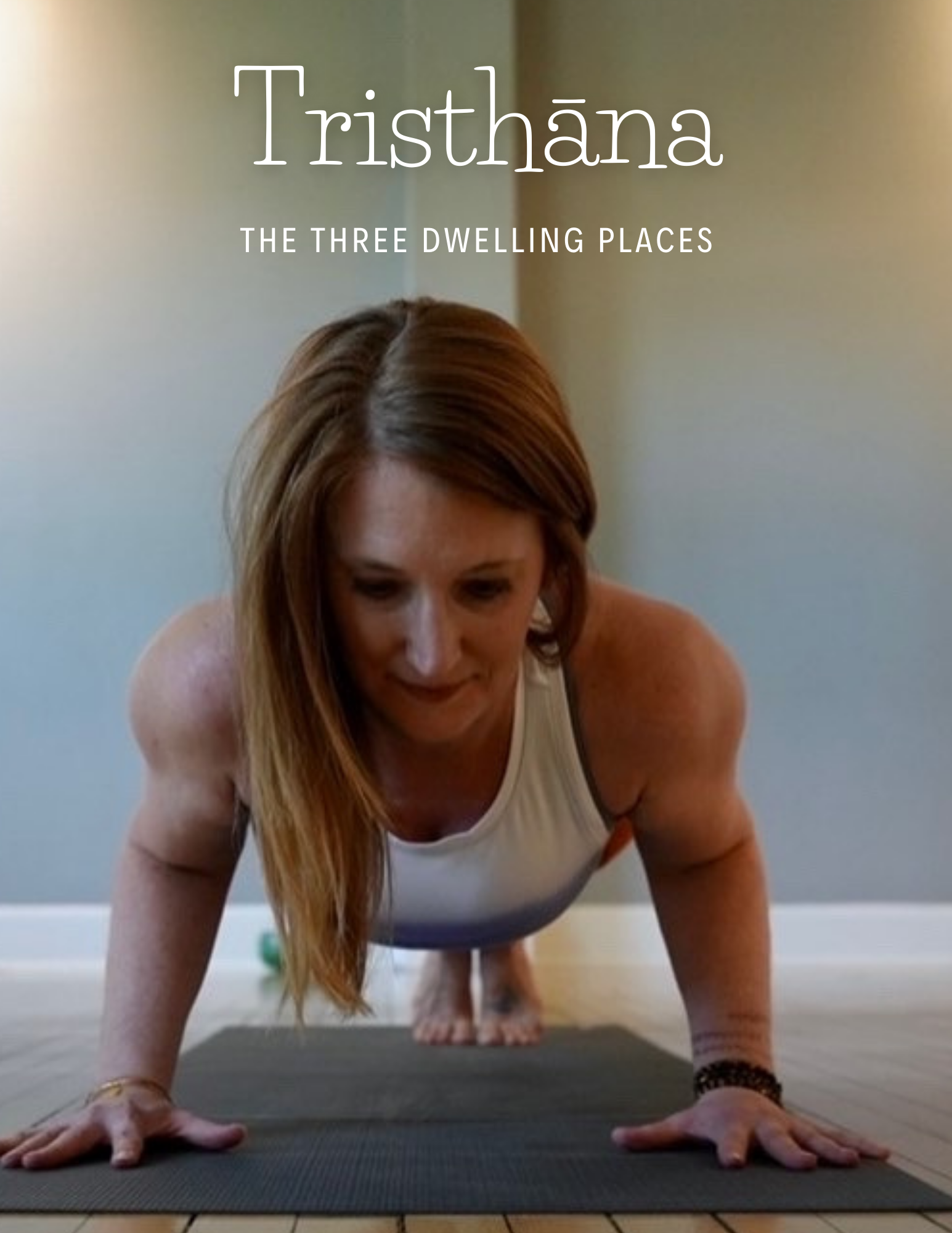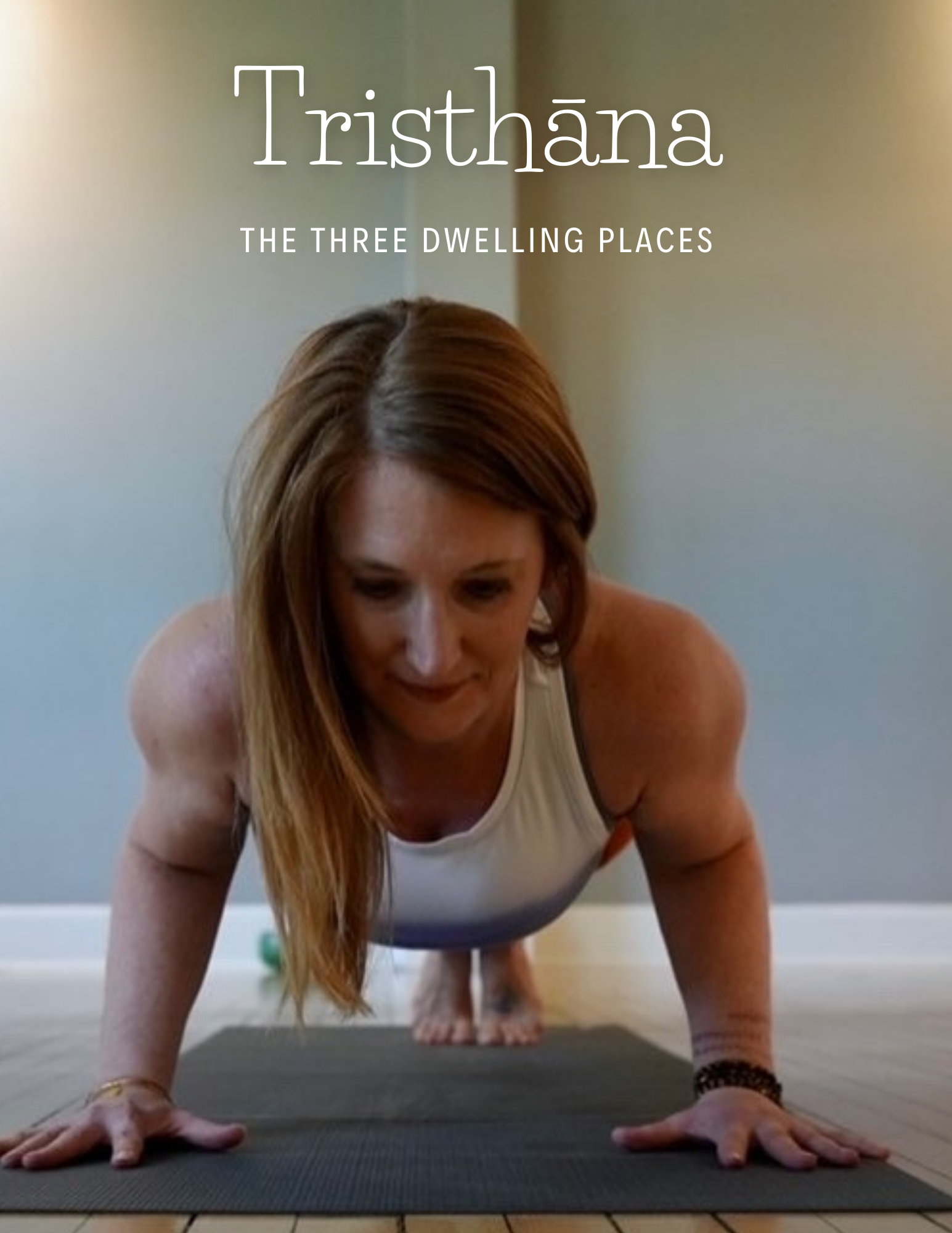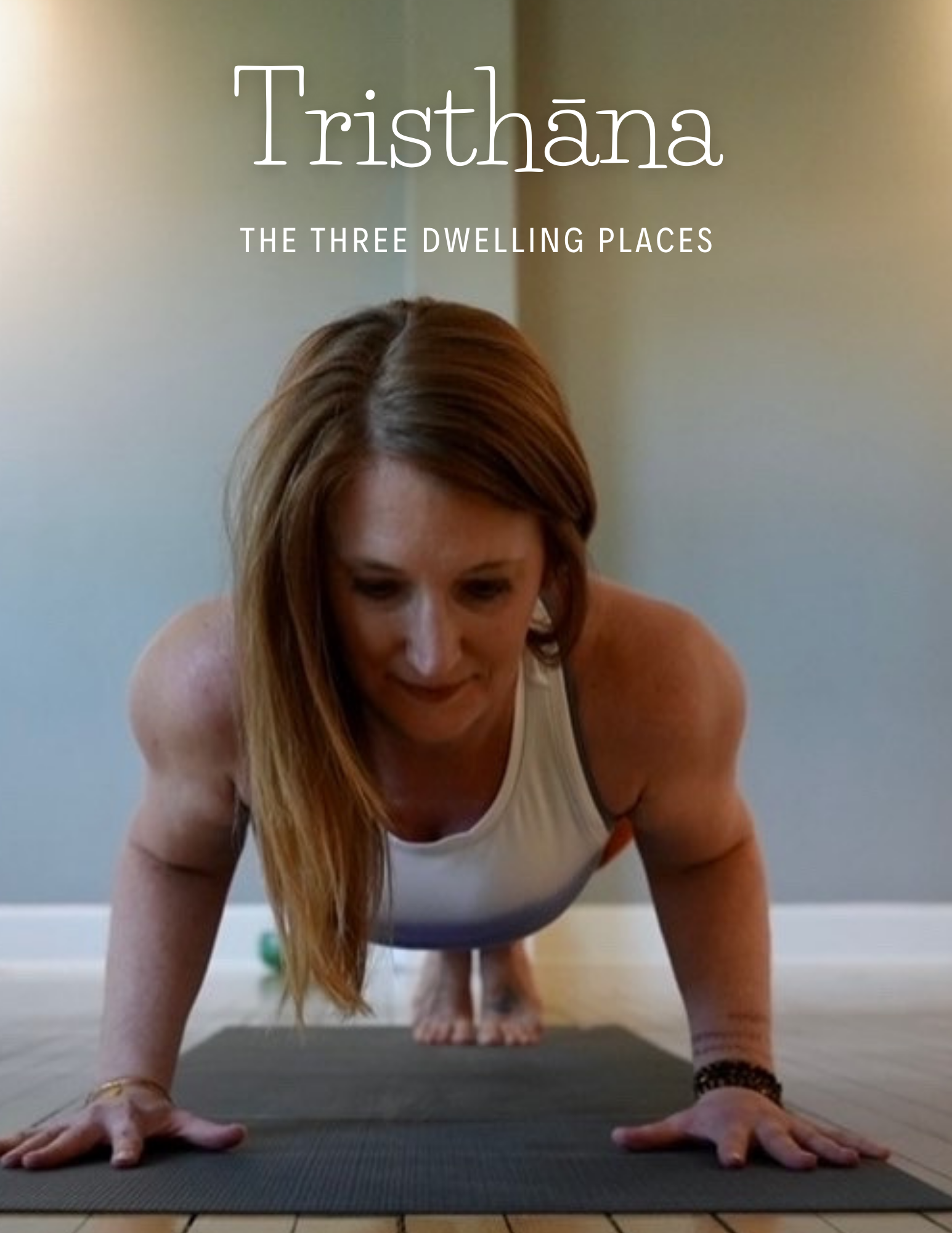
We complete our series on the tristhāna technique with dṛṣṭi. Dṛṣṭi (prounounced drish-tee) is a sanskrit word that refers to the eye, and as a practice describes a focused gazing point.
Read More
We complete our series on the tristhāna technique with dṛṣṭi. Dṛṣṭi (prounounced drish-tee) is a sanskrit word that refers to the eye, and as a practice describes a focused gazing point.
Read MoreWith the application of bandha we direct the prāṇa toward this energy pathway (often thought of as the pathway of awakening due to it’s function of carrying the awakened śakti energy from the base of the spine upward to the crown cakra), and restrain it there so we can harness it’s potential.
Read MoreBreath is the foundational practice of the tristhāna technique. Centering our attention on our breath helps to anchor us to the present moment, allowing the thoughts in our minds to settle, providing us space in which we can begin to observe our tendencies.
Read MoreUdāna vāyu is one of the five subtypes of prāṇa, or vital energy, in the body according to āyurveda. Udāna vāyu is the energy of ascension, and is considered the energy of higher consciousness. Udāna vāyu is the prāna that moves through our primary energy channel (nāḍi), is associated with Kundalini śakti and the consciousness of enlightenment.
Read MoreWhen vyāna vāyu is strong and healthy our thoughts and ideas flow freely, we are creative and engaged fully in life. With healthy vyāna vāyu we are fearless and outgoing, circulating and expanding our presence in the world.
Read MoreIn addition to physical digestion in the gut, samāna vāyu helps us digest life. With the support of samāna vāyu we can assimilate our life experiences, turn what is useful into wisdom and let go of what is not serving us.
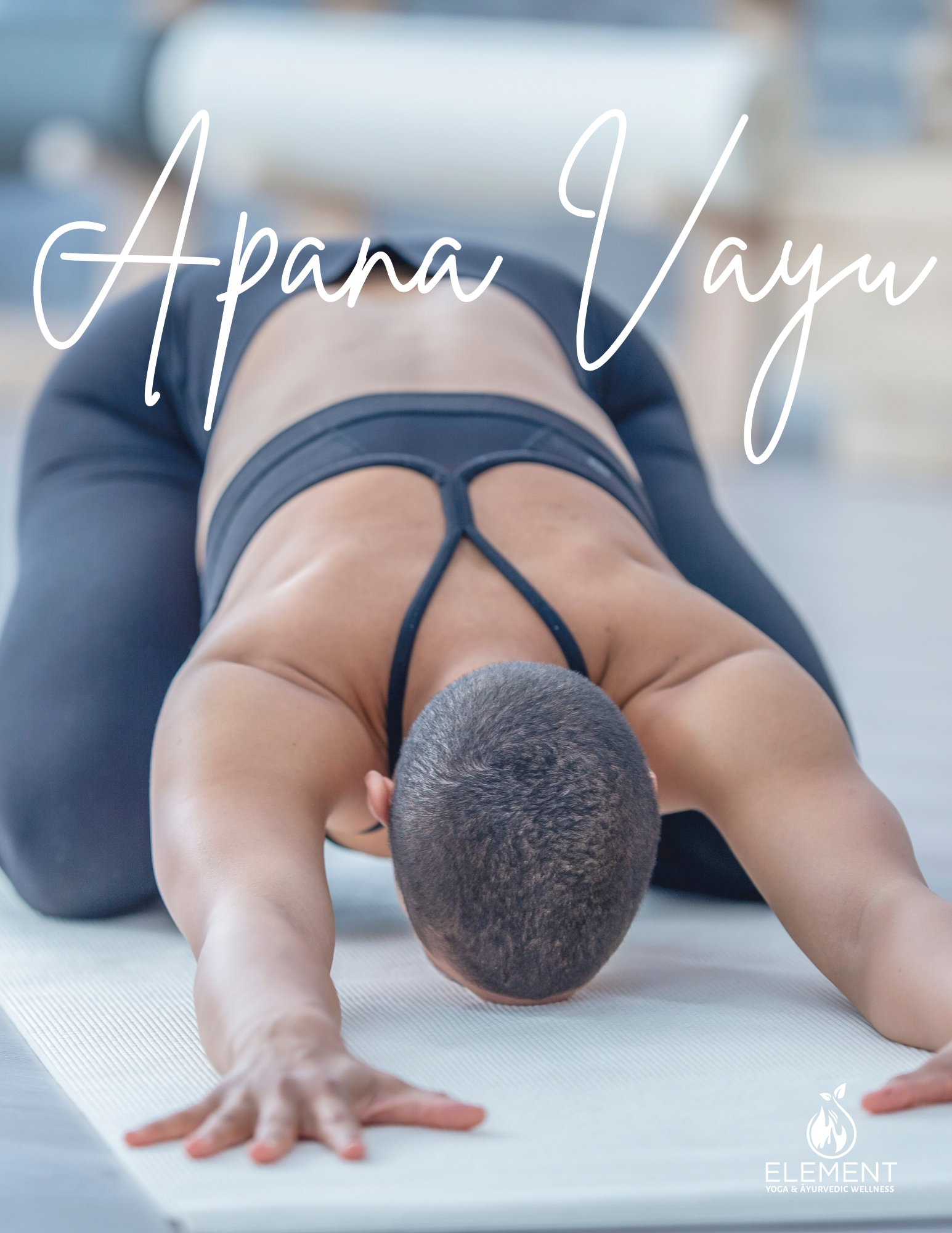
Read MoreApāna Vāyu is one of the five major prānas or vital energies in āyurveda and yoga philosophy. It is the downward-flowing energy responsible for the elimination of waste products from the body, including urine, feces, and reproductive fluids, as well as elimination of mental and emotional patterns that are threatening to our good health.
Read MorePrāna vāyu is responsible for the movement of energy, breath, and information throughout our bodies, acting as the bridge between the mind and body. Its influence can be found in our respiratory system, heart, and nervous system.
Read MoreAsteya means non-stealing or not taking from others, meaning we must only accept what is earned or freely given. We can practice asteya every day. Obviously choosing not to steal physical goods from anyone is asteya, but there are other more subtle ways we can think about non-stealing too.
Read MoreYoga has the vast potential to meet the challenges of our time; inviting us into relationship with ourself, which in turn strengthens our relationship to everything around us.
Read More